I Am More Than My Symptoms: Finding Acceptance After MS
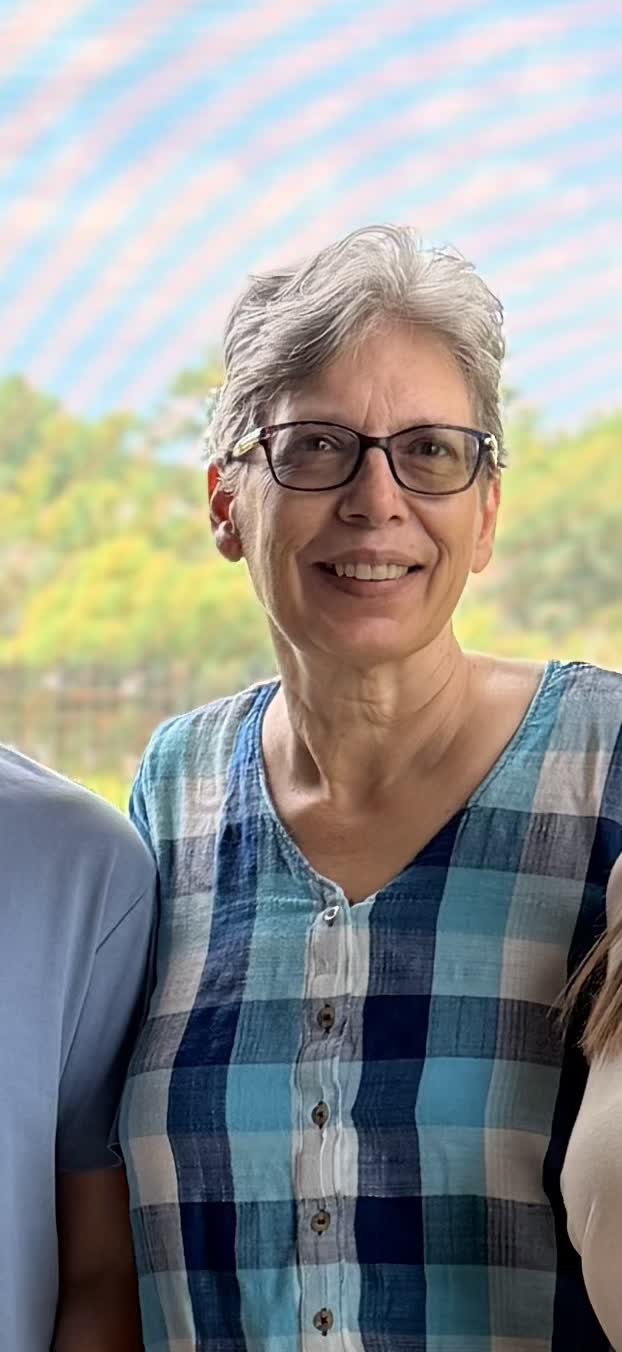
When I was first diagnosed with multiple sclerosis, I thought the hardest part would be managing the symptoms.
I was wrong.
The hardest part was grieving the life I thought I was going to have.
No one really prepares you for that part.
They talk about medications, appointments, tests, and symptoms. But they do not always talk about the emotional roller coaster that comes with realizing your life may look different than you imagined.
That grief is real. And it looks different for everyone.
The stages of grief are real
Many people are familiar with the stages of grief often referred to as DABDA:
- Denial
- Anger
- Bargaining
- Depression
- Acceptance
While everyone’s journey is different, these emotions are very real.
For me, acceptance took about three years.
Three years.
At the beginning, that felt like a very long time. Now I realize it was my time.
There was no schedule I was supposed to follow. No deadline for when I should suddenly feel okay about having MS. I had to work through it in my own way.
Denial was hard for me
My denial did not look like I was pretending nothing was happening. It looked like avoiding things I did not want to face.
For about a year, I was not taking my medications the way I should have. Looking back, I realize I was trying to convince myself that if I did not acknowledge MS, maybe it would go away.
Spoiler alert: it did not.
Then there was the day I decided I simply did not have MS. I remember thinking, “Maybe this is not really my life.”
That lasted about an hour.
Then I tripped over my own feet and fell. Apparently, my feet had a different opinion.
As frustrating as that moment was, it was also a reminder that ignoring something does not make it disappear.
The turning point
The biggest shift for me happened when I stopped looking at MS as this giant, overwhelming thing and started breaking it down.
I made a list of the symptoms that bothered me the most.
When I looked at that list, I realized I was spending so much mental energy focusing on roughly ten things.
Ten things.
And then I asked myself a question:
“Am I really going to let these ten things define my entire life?”
The answer was no.
I am so much more than ten things.
I am a person with dreams, relationships, experiences, memories, interests, and things I still want to accomplish.
MS is part of my story. It is not my entire story.
Making peace with what I could control
After making my symptom list, I started writing down the modifications I had made to accommodate those challenges.
The cane. The tools that save energy. The changes around my home. The routines that help me manage my day. The technology that helps me stay organized.
And something became very clear.
I had done what I could. I had addressed the problems.
The symptoms were still there, but they no longer needed all of my attention. They had been handled. They did not need to take up every corner of my thoughts.
That realization was freeing.
Acceptance does not mean giving up
For a long time, I thought acceptance meant admitting defeat.
I was wrong.
Acceptance means I stopped spending all my energy fighting the fact that MS exists and started using that energy to live my life.
It means I can acknowledge the challenges without letting them become my identity.
It means I can make accommodations without feeling like I failed.
It means I can have a good day without feeling guilty.
A little win
For me, the little win was realizing that MS had been taking up far more space in my mind than it needed to.
The symptoms were real. The challenges were real. But so was everything else about me.
Today, when I notice a challenge, I try to ask:
“What can I do about this?”
If there is something I can change, I work on it. If there is not, I try not to give it more attention than it deserves.
Because I am so much more than my symptoms.
And so are you.
Your turn
If you are living with a chronic illness, what helped you move from surviving to living?
If you are newly diagnosed, what part of the journey feels the hardest right now?
If you would like to share, email us at info@phoenixckk.com.
Sometimes the words we need most come from someone who has already walked a few steps ahead of us.